Boosting equality, social mobility through early childhood intervention
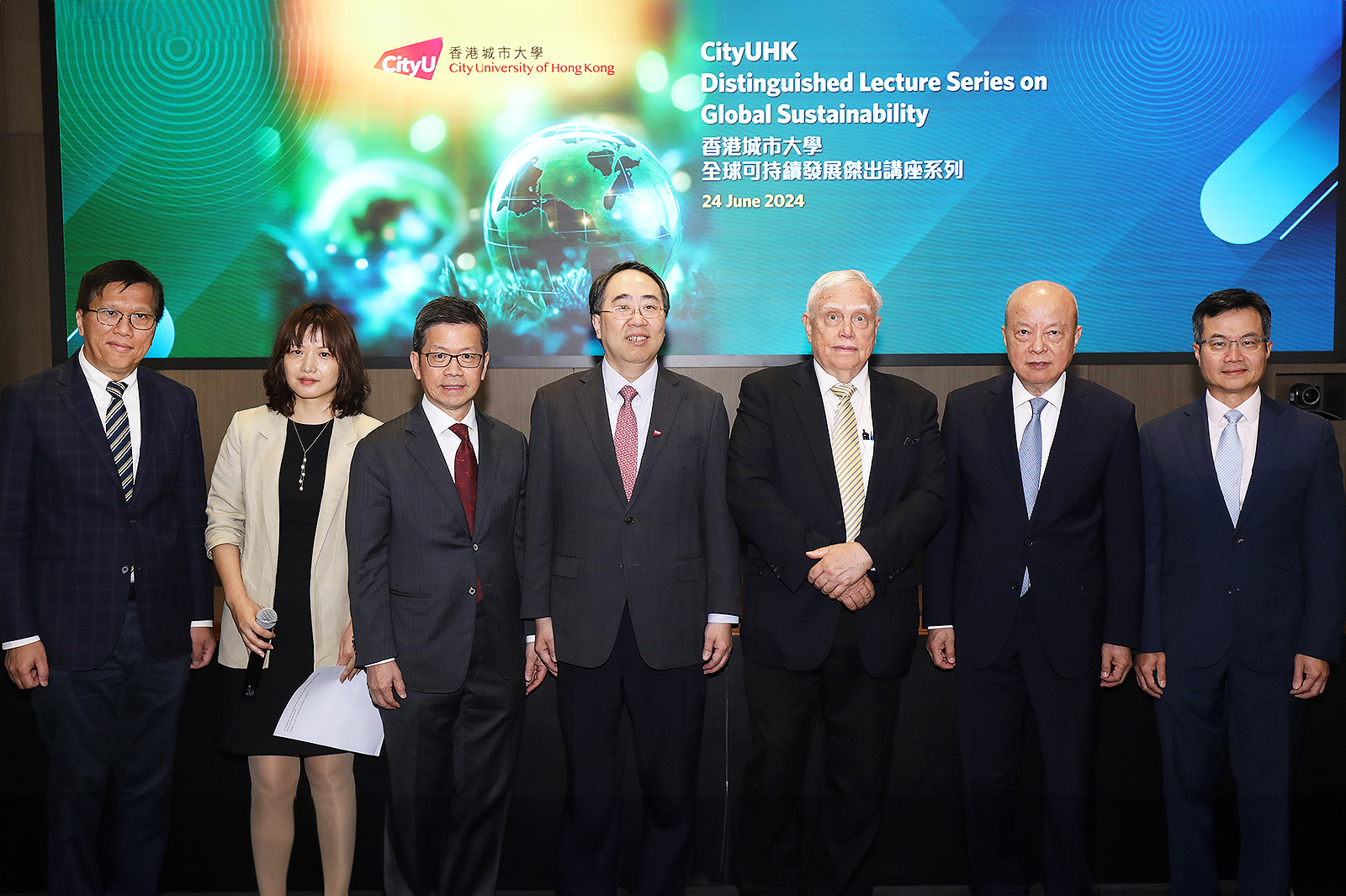
One of the most promising mechanisms for improving developmental outcomes for disadvantaged children is early childhood intervention that engages the parents/carers to create a more enriched and sustainable social environment.
This was the core message in a fascinating talk by Professor James Heckman, Director of the Center for the Economics of Human Development at the University of Chicago and Nobel Laureate in Economics, at City University of Hong Kong (CityUHK) on 24 June.
“If we want to tackle poverty and social mobility, we have to focus on skills and human capital,” said Professor Heckman, whose address “Promoting Skills to Promote Equality and Social Mobility” served as the inaugural event for the Distinguished Lecture Series on Global Sustainability organised by the Office of the Vice-President (Research).
This new series spotlights key issues surrounding economic and social development worldwide while emphasising sustainability's importance as the future guiding principle and in terms of CityUHK’s pursuit of the UN’s SDGs.

Drawing on a vast array of socio-economic research into early childhood education, human development, and cognitive and social-emotional studies, Professor Heckman emphasised that parents and carers play a crucial role in a child’s growth in the first three years of life.
He said enriched caregiving intervention is crucial for children’s cognitive and social-emotional development, especially for “left-behind children” whose parents had migrated to urban centres for better employment prospects and were now cared for by older relatives or neighbours.
“Poverty is not just about money, it’s about talking and engagement,” he said.
Research shows that the emotional and cognitive development of children in more deprived areas can benefit enormously from home-visiting parenting intervention designed to improve caregiver knowledge of early child development and aspects of adult-child interaction.
One such parenting programme, co-led by Professor Heckman, is ChinaREACH, which involves 1,500 families of children aged 6 to 36 months in Huachi County in Gansu Province. ChinaREACH is based on the highly influential home-visiting programme, Jamaica Reach Up and Learn, established 30 years ago.
Professor Heckman argued that the research results in the China REACH show that higher interaction quality between home visitors and caregivers significantly improves the development of children’s skills. Additionally, this interaction can positively affect siblings and caregivers, especially older carers, who can find purpose and meaning through greater engagement with younger children in their later years.
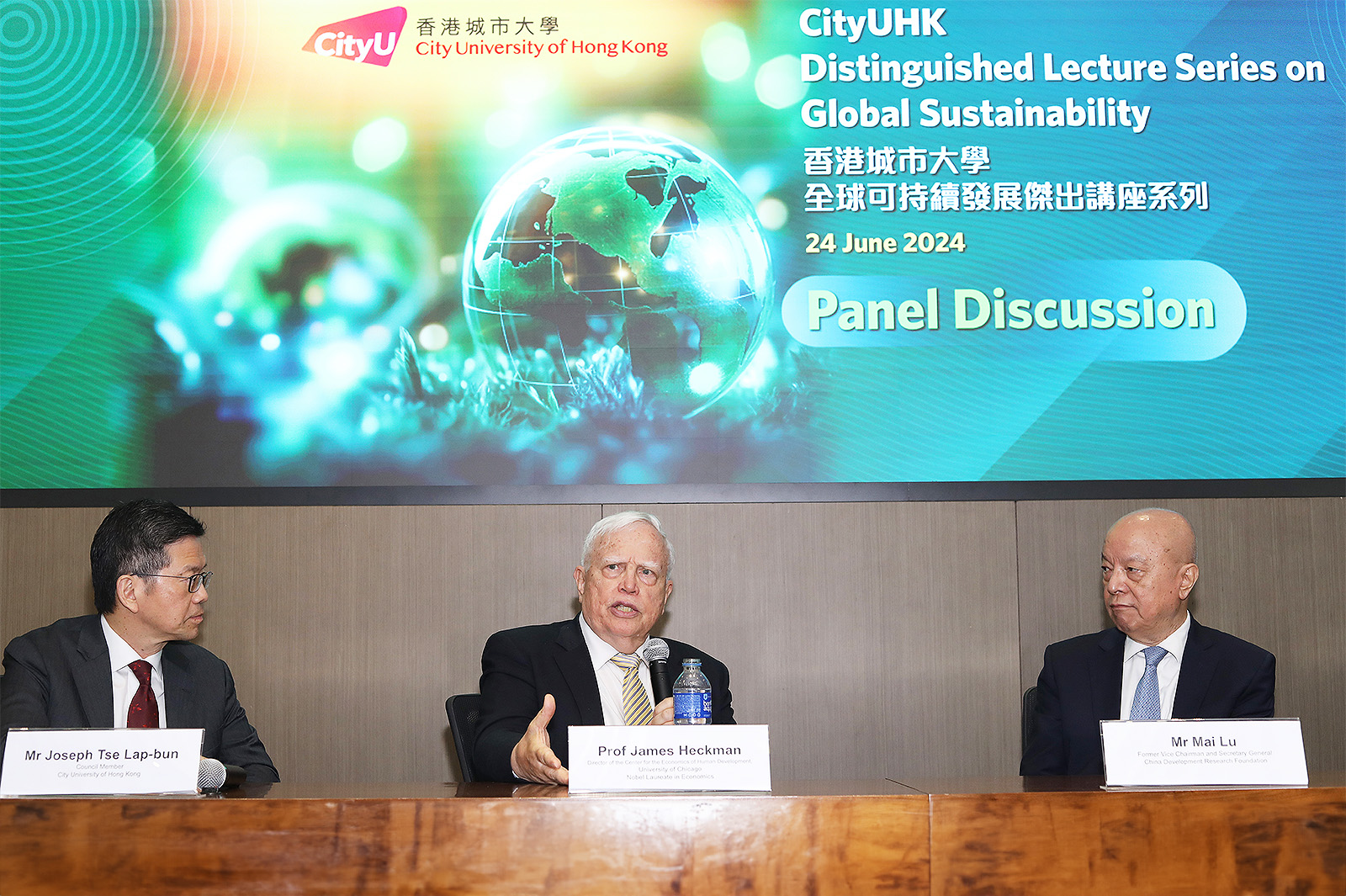
A panel discussion focused on socio-economic and skills-based issues generated by Professor Heckman’s talk. Mr Lu Mai, former Vice-Chairman and Secretary General, China Development Research Foundation, talked about the One Village One Preschool (OVOP) programme launched in 2009. OVOP is a government-supported public intervention launched by the China Development Research Foundation to give disadvantaged rural and minority children in central and western rural China access to early childhood education.
Mr Joseph Tse Lap-bun, Council Member, emphasised that employers looking for recruits today are more likely to privilege cross-cultural skills over IQ or other standardised test scores. He spoke about how cross-cultural learning means more than language learning; instead, it requires a complete understanding of the special societal features enjoyed by people worldwide.
Mr Cheung Leong, Chief Strategy Officer, Exchange Fund Investment Office, Hong Kong Monetary Authority, emphasised how areas such as computational thinking skills, i.e. the capacity to solve complex problems by breaking them down into more minor issues and searching for solutions, are highly prized by employers. He also shared valuable insights about the early childhood intervention programs in Hong Kong, drawing from his previous experience as the Executive Director of Charities & Community at The Hong Kong Jockey Club.
Professor Chan Kalok, Dean of the College of Business (CB), stressed how CB promoted life-long-learning skills and enhanced technology for education to promote equality and social mobility.
Professor Zhou Jin of the Department of Economics and Finance, currently working on the China REACH project, noted the need to run comparative studies of fathers' role in the family, for example, in East Asia and Europe.
Looking to the future, the facilitator for the event, Professor Wang Zheng of the Department of Accountancy and Associate Vice-President (Strategic Research), said information about the next talk in the new Distinguished Lecture Series on Global Sustainability would be announced soon.